Berber Tea Benefits: A Tradition Rooted in Wellness

Chris Khani • February 3, 2026

When people search for Berber tea benefits, they’re often looking for more than just a list of health claims. They’re searching for connection — to tradition, to ritual, and to something that feels both grounding and nourishing.


Berber tea, a cornerstone of North African culture, offers all of that and more.


At Moroccan Sparrow, our teas are inspired by generations of Moroccan and Amazigh (Berber) hospitality, where tea is not simply a drink, but a daily act of care.

What Is Berber Tea?


Berber tea isn’t a single fixed recipe. Instead, it’s a traditional herbal tea practice rooted in the Atlas Mountains and surrounding regions of Morocco.
Historically, Berber families brewed tea using whatever herbs were available locally — mint, sage, wormwood, thyme, or verbena — often combined with green tea once it became widely available through trade.


What remains constant is the intention:
to support the body, calm the mind, and bring people together.


Key Berber Tea Benefits


Supports Digestion
Many Berber tea blends feature herbs like mint, sage, or thyme, long valued for their ability to ease bloating, reduce stomach discomfort, and support digestion after meals.


Naturally Uplifting
Green tea and fresh herbs provide a gentle, steady lift — energizing without the harsh spikes often associated with coffee.


Rich in Antioxidants
Green tea is naturally high in antioxidants, which help combat oxidative stress and support overall wellness.


Encourages Mindful Ritual
One of the most overlooked benefits of Berber tea is how it’s consumed. The slow pouring, the shared glasses, and the pause it creates in the day all support stress reduction and mindfulness.


Hydration with Purpose
Sipped throughout the day, Berber tea promotes hydration while offering subtle herbal support — making it both practical and restorative.

More Than Benefits: A Way of Life

In Berber culture, tea is a symbol of generosity and respect. It’s offered to guests before questions are asked. It’s poured multiple times, each glass slightly different, reminding us that good things unfold slowly.

This philosophy deeply influences Moroccan Sparrow. Our teas aren’t designed to rush you — they’re meant to invite you to slow down and savor. While Berber tea has ancient roots, its benefits feel especially relevant today. In a world that constantly pushes speed, Berber tea reminds us to pause, connect, and care for ourselves intentionally.


At Moroccan Sparrow, every blend is crafted to honor that tradition — combining heritage, wellness, and everyday beauty in each cup.


Tea isn’t just something you drink. It’s something you experience.
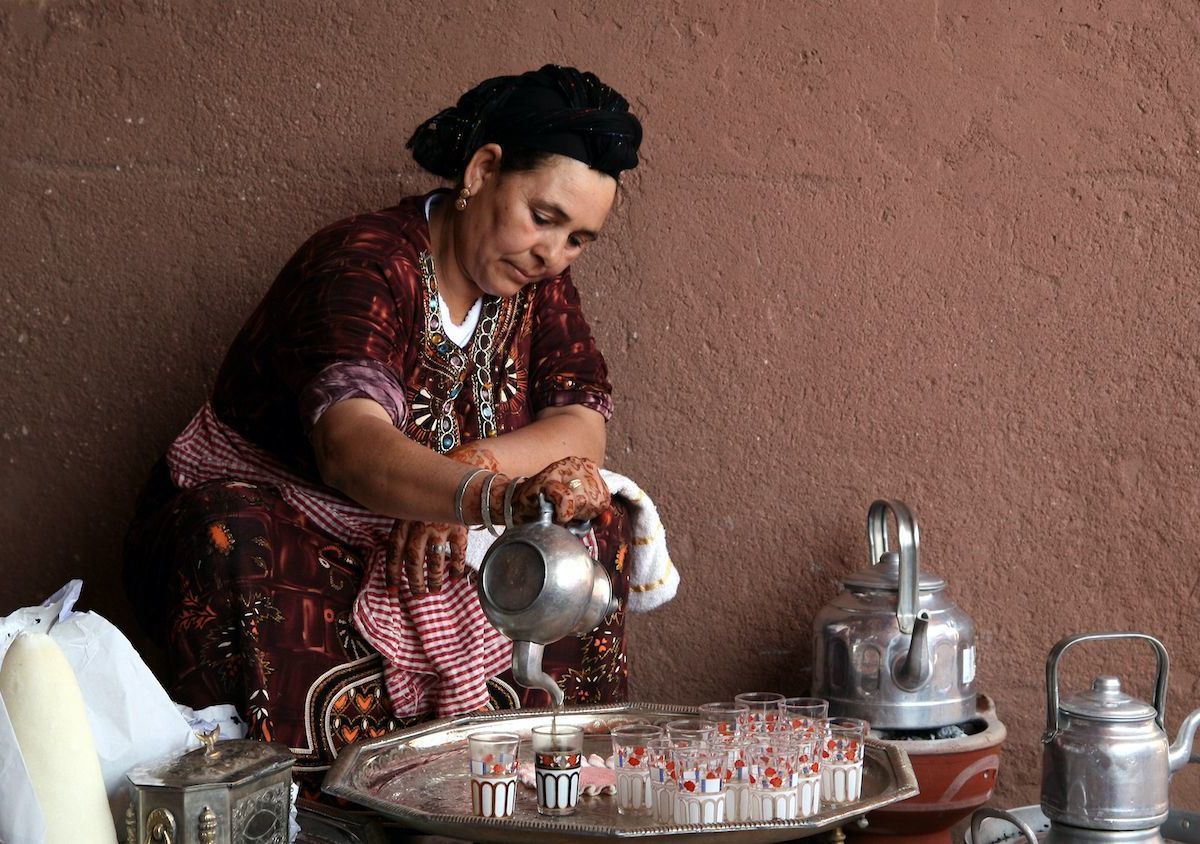

A Berber woman performs the traditional ceremony of making berber tea
By Moroccan Sparrow September 22, 2025
Discover how to brew the perfect loose leaf tea with a Moroccan Sparrow tea infuser—simple, eco-friendly, and designed for rich flavor.
By Moroccan Sparrow January 23, 2025
Discover the wonders of rose tea, a soothing herbal infusion made from rose petals and buds. This fragrant drink offers more than just a delightful floral flavor – it’s packed with antioxidants and vitamin C, promoting better digestion, glowing skin, and a calm mind.
By Moroccan Sparrow November 14, 2023
Tea and coffee are two of the most widely consumed beverages worldwide, and both have unique flavors and benefits. Coffee is made from the roasted seeds of the coffee plant, which are then ground and brewed. It is known for its strong and robust flavor, and it contains high caffeine content that can provide a boost of energy and improve mental alertness. Coffee is also rich in antioxidants, specifically chlorogenic acid, which can help to protect against certain types of cancer and heart disease. On the other hand, tea is made from the leaves of the Camellia sinensis plant, which are harvested and processed in different ways to create various types of tea, such as green, black, oolong, and white tea. Tea has a milder taste than coffee and is often enjoyed plain or with a variety of different flavors and sweeteners. The amount of caffeine in tea can vary depending on the type of tea and how it is prepared. For instance, green tea contains less caffeine than black tea, and white tea has the least amount of caffeine among all the types of tea. Tea is also rich in antioxidants, specifically flavonoids, which can help to improve heart health, lower the risk of cancer, and boost cognitive function. In terms of taste, coffee has a more complex flavor profile than tea and is often served with cream and sugar to enhance its taste. Tea, on the other hand, has a more delicate and nuanced flavor and is enjoyed for its natural taste and aroma. Both tea and coffee have been shown to have health benefits, but excessive caffeine intake can have negative effects on health, such as insomnia, anxiety, and high blood pressure. Therefore, it's crucial to consume both in moderation and as part of a balanced diet. In summary, tea and coffee are two of the most popular beverages consumed worldwide, and they are made from different parts of plants and processed in different ways. Coffee is known for its strong and robust flavor and high caffeine content, while tea has a milder taste and contains less caffeine. Both are rich in antioxidants and have their own unique health benefits. Ultimately, the choice between tea and coffee comes down to personal preference, but consuming both in moderation is essential to reap their benefits without experiencing negative side effects.
By Moroccan Sparrow September 28, 2023
Berber tea serves as a symbol of warmth, hospitality, and community among the Berber people. It is a gesture of welcome extended to guests and strangers alike
By Moroccan Sparrow January 25, 2023
Black tea is a popular beverage enjoyed worldwide for its rich taste and aroma. But beyond its delicious flavor, black tea also offers a range of health benefits.
Berber Whiskey
By Moroccan Sparrow January 8, 2023
Have you tried Berber Whiskey? A tea like no other.